
What We Do on Land Affects the Lake
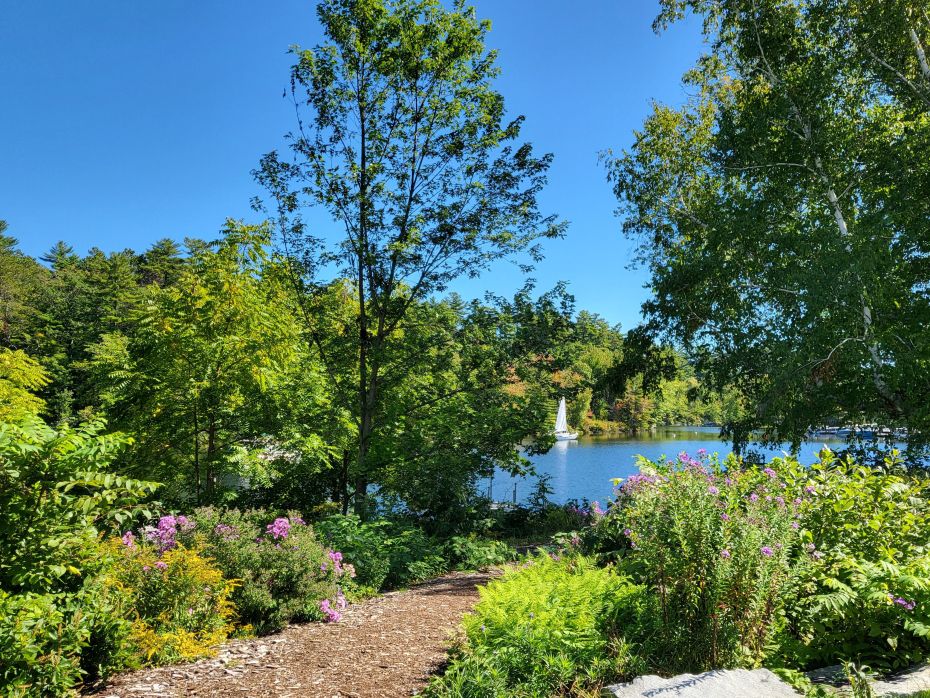
Runoff, i.e. rainwater that doesn’t soak into the ground, carries pollutants with it, from pet waste to road salt to dirt. Soil, a.k.a. dirt, contains nutrients like phosphorus and nitrogen, which cause algal blooms when there’s too much. Protecting our lakes requires reducing the amount of runoff and sediment that enters water bodies.
The further runoff travels, the more momentum and energy it picks up, like the proverbial snowball rolling down a hill, increasing its erosive potential. To reduce erosion and nutrients entering the lake, we need to reduce runoff. The easiest and most efficient way to reduce runoff is to keep it from forming. The runoff management mantra is: !Slow it down, Spread it out, Soak it In.!
Landowners can use a variety of strategies to reduce runoff and erosion, even if the property is not on the shoreline.
- Intercept rain drops:
- An uninterrupted raindrop hits the ground at 20 m.p.h. Tree canopies and shrubs impede raindrops and reduce their impact on soil.
- Manage roof runoff:
- Place a rain barrel or drywell at the downspout. No gutters, no problem — add crushed stone or an infiltration trench along the dripline. This method is good for the environment and stops dirt from splattering on the side of your camp.
- Intercept rain drops:
- An uninterrupted raindrop hits the ground at 20 m.p.h. Tree canopies and shrubs impede raindrops and reduce their impact on soil.
- Interrupt the flow:
- Catchment basins, like rain gardens, intercept flowing runoff and prevent the area downhill from eroding. Swales and berms (lumpy terrain) also break up the flow of runoff and dissipate energy.
- Minimize impervious surfaces:
- Install permeable pathways. They give rain more places to soak into the ground. Gravel driveways and parking areas are also considered impervious, don’t install more than you need.
- Plant vegetative buffers:
- Shoreline buffers act as the last line of defense to slow and capture runoff. Buffer root systems hold the dirt in place, strengthen the shoreline, and decrease erosion. Native plants have more extensive root systems than ornamental plants. For example, little bluestem roots can grow over 5 feet deep.
Landowners seeking to protect their properties from erosion and reduce the amount of pollution entering our lakes are encouraged to contact 7 Lakes Alliance to learn more about watershed management strategies that will work on their properties.
Lynne Geiger is Erosion Control Policy Manager for the 7 Lakes Alliance.
Download Full Newspaper: High Res | Low Res (Details…)
<— Previous Article • Summaries • Next Article —>
©2026 by Summertime in the Belgrades. All rights reserved.