
Loon Etiquette
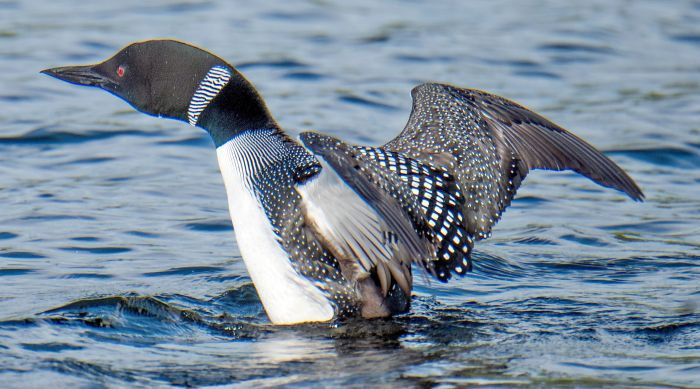
When in the presence of loons, what is considered proper etiquette? Basically, what are the dos and don’ts when it comes to approaching these beautiful and inquisitive birds?
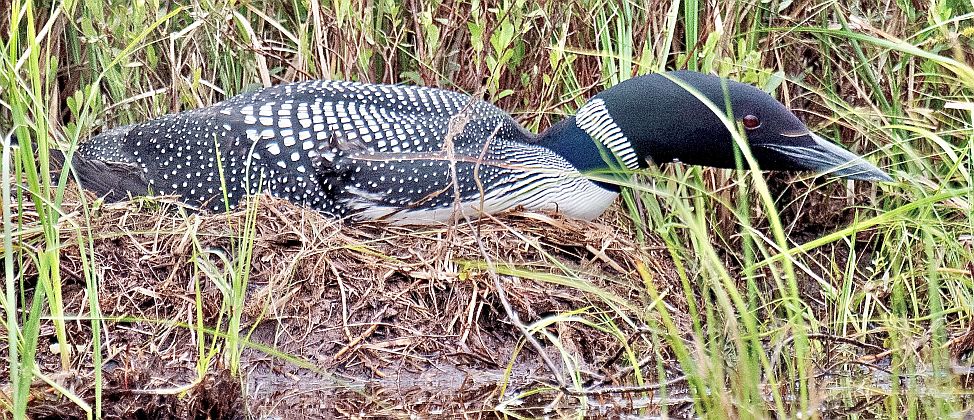
We love to “rubberneck” around loons, which is understandable as we observe our loons’ behaviors, their chicks, and even their nests up close, but please consider that our loons need their privacy and security even more during their breeding time which is right now! Unfortunately, there are those few individuals that think they need to or deserve to, get real up close invariably flushing the bird and possibly resulting in a failed nest. There is no guarantee that the loon will return to the nest so please, give all wildlife their space. It’s always best to observe their proclivities with a good pair of binoculars as you do see so much more!
The statewide 200′ no-wake zone, although important for so many obvious reasons, when practiced, is just not adequate to ensure shoreline stability as well as our nesting loon’s safety. We are supposed to just make headway speed within 200′ of any shore or island on freshwater lakes, rivers, and the ocean, for that matter. But, a fast boat or jet ski out in the middle of the lake is much more of a threat as the average loon will not have enough time to dive until the vessel is directly over them.
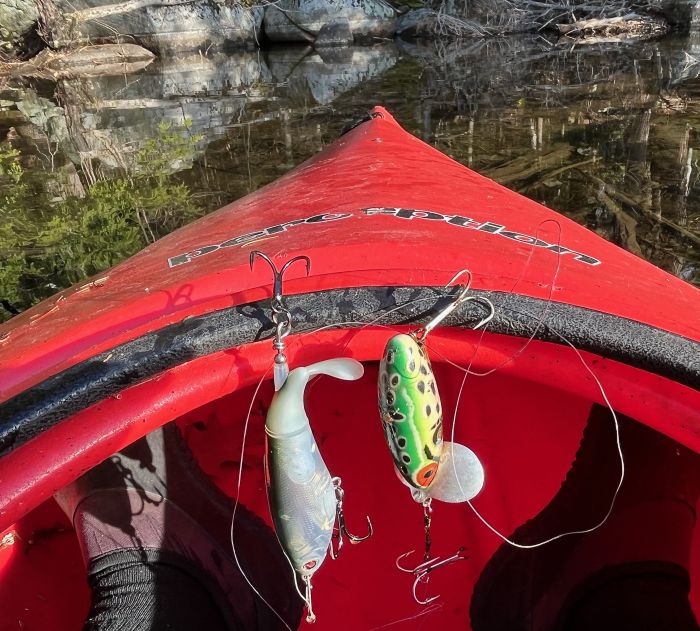
An equal responsibility that we have in relation to our wildlife is to refrain from all illegal lead fishing gear and absolutely recover all fishing lures and more importantly, all fishing line. We experience several cases each summer where our loons become wrapped in fishing line and/or become fatally hooked by a lure that was broken off by a fish and subsequently harvested by a loon.
Well-intentioned canoers, kayakers, and in particular paddleboarders, result in way too many birds being flushed from their nests because the birds perceive a threat from a standing human up close.
If you feel you must get closer to a loon, never approach it straight on which is obviously threatening. It is always best to approach very slowly from upwind and if possible, particularly for enhanced photography, with the sun at your back. By turning off the engine and letting the wind slowly bring you in closer is the preferred technique and is far less threatening. If the loon stays low in the water and/or dives, you are too close and threatening this bird!
If the loon swims away, please do not chase it! Particularly, if there is a chick in the vicinity. Following a loon in any watercraft is “chasing it” and is verboten! We are right in the middle of a loon’s breeding season so please be extra careful and considerate.
If you have particular questions regarding our Belgrade loon population, please email your inquiry to , and we will try to answer your question either in this column or via email. Have a great summer here in the Belgrades!
Dick Greenan is chairman of the Belgrade Lakes Association’s Loon Preservation Project.
Download Full Newspaper: High Res | Low Res (Details…)
<— Previous Article • Summaries • Next Article —>
©2026 by Summertime in the Belgrades. All rights reserved.